
- Modern home exterior colors can dramatically enhance curb appeal, reflect personal style, and increase property value.
- Neutral shades like soft grey, beige, and white remain timeless, versatile, and perfect for layering textures.
- Bold colors such as deep navy, charcoal, and terracotta add visual interest and can highlight architectural features.
- Combining complementary colors and using accents strategically ensures a cohesive, balanced exterior design.
- Testing color swatches under different lighting and considering roof, trim, and material interactions is essential before a home exterior renovation.
- Texture and material choice (wood, stone, metal, stucco) significantly impact how colors are perceived.
- Long-term appeal matters—select colors that are both trendy and timeless to maintain a modern aesthetic.
Updating your home’s exterior is one of the most effective ways to elevate curb appeal, reflect your personal style, and even boost property value. Choosing the right modern home exterior colors can feel overwhelming given the wide range of options available today. From timeless neutrals to bold, statement-making hues, designers and homeowners are embracing colors that balance sophistication with individuality.
In this article, we explore the top color trends, tips for selecting the perfect palette, and practical ways to use color to transform your home’s exterior.
Why Modern Home Exterior Colors Matter
The exterior of your home is the first thing visitors and passersby notice. A well-chosen color scheme can create a sense of harmony with the surroundings, enhance architectural features, and make a lasting impression. Modern home exterior colors are not just about aesthetics—they also influence mood, perceived size, and even energy efficiency.
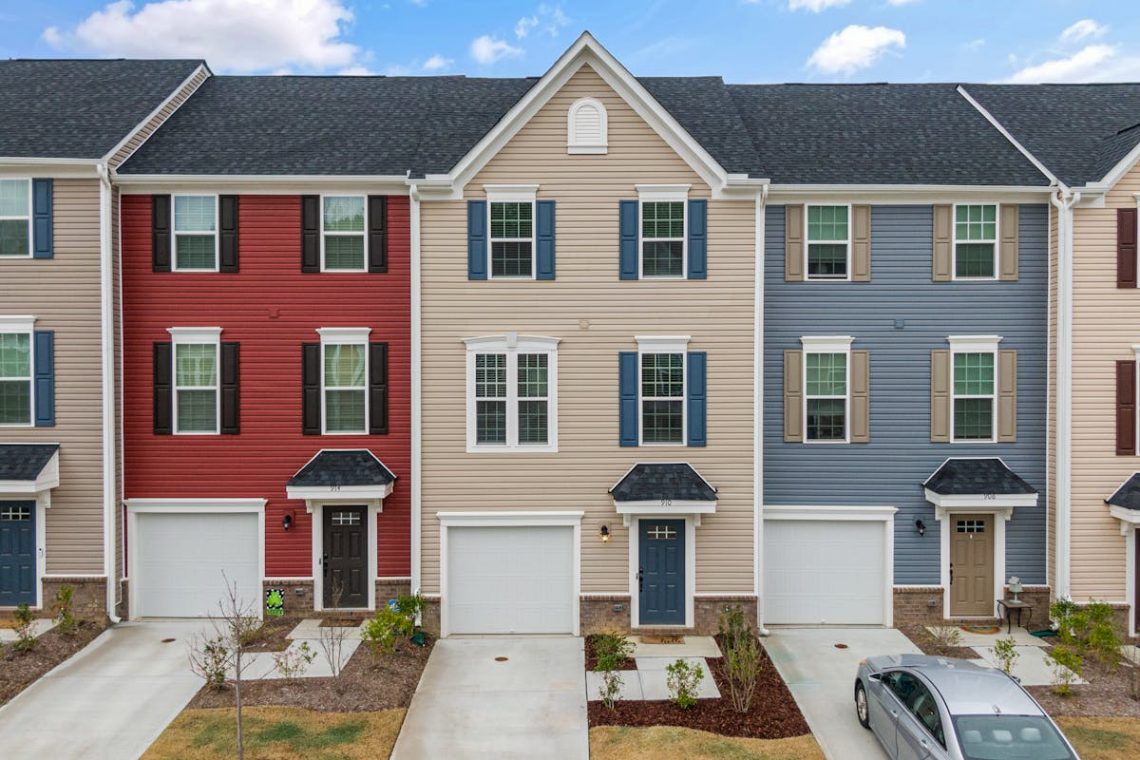
Neutral tones like soft greys and off-whites create a timeless appeal, while darker shades like charcoal or navy exude elegance and modernity. Bright and unexpected accents, such as muted teal or rich terracotta, are gaining popularity as homeowners seek ways to stand out without overwhelming the overall design.
When planning a home exterior renovation, understanding how colors interact with materials, lighting, and landscaping is crucial. Even subtle variations can dramatically change how your home looks throughout the day and across seasons.
Popular Neutral Shades for a Modern Look
Neutral shades continue to dominate modern home exterior color trends because of their versatility and sophistication. These colors work well with various architectural styles, from minimalistic homes to mid-century modern designs.
- Soft Greys: Grey offers a sleek and contemporary feel while remaining understated. It pairs beautifully with white trim or natural wood accents.
- Warm Beiges: Beige creates a welcoming, cozy look and complements stone or brick facades.
- Crisp Whites: White provides a clean, timeless look and serves as a perfect backdrop for colorful landscaping or statement doors.
Using neutral shades also allows homeowners to experiment with textures, such as smooth stucco, horizontal siding, or stone veneers. These colors can serve as a foundation for a sophisticated, layered exterior palette.
Bold and Statement-Making Colors

While neutral colors remain popular, many designers encourage homeowners to embrace bold hues for a more dynamic exterior. Statement colors can highlight architectural features, draw attention to entryways, and create memorable first impressions.
- Deep Navy: This shade offers a modern twist on classic blue, pairing well with natural stone or light trim.
- Charcoal Black: Black exteriors are increasingly popular for their dramatic, contemporary aesthetic.
- Rich Terracotta: Earthy tones like terracotta bring warmth and a grounded, natural feel to modern homes.
When using bold colors, it’s essential to balance them with neutral trim or accents to prevent overwhelming the design. Accent walls, doors, or shutters are ideal areas to experiment with bolder choices without dominating the entire exterior.
Combining Colors for a Cohesive Exterior
One of the key strategies designers use is creating a cohesive color palette that balances multiple shades harmoniously. Layering complementary tones can add depth, visual interest, and highlight architectural elements.
For instance, pairing a soft grey base with charcoal trim and a bold-colored front door can instantly modernize your home. Similarly, combining beige siding with muted teal accents offers a refreshing yet subtle aesthetic. Homeowners often overlook the importance of roof color and material in the palette, which can tie the overall design together.
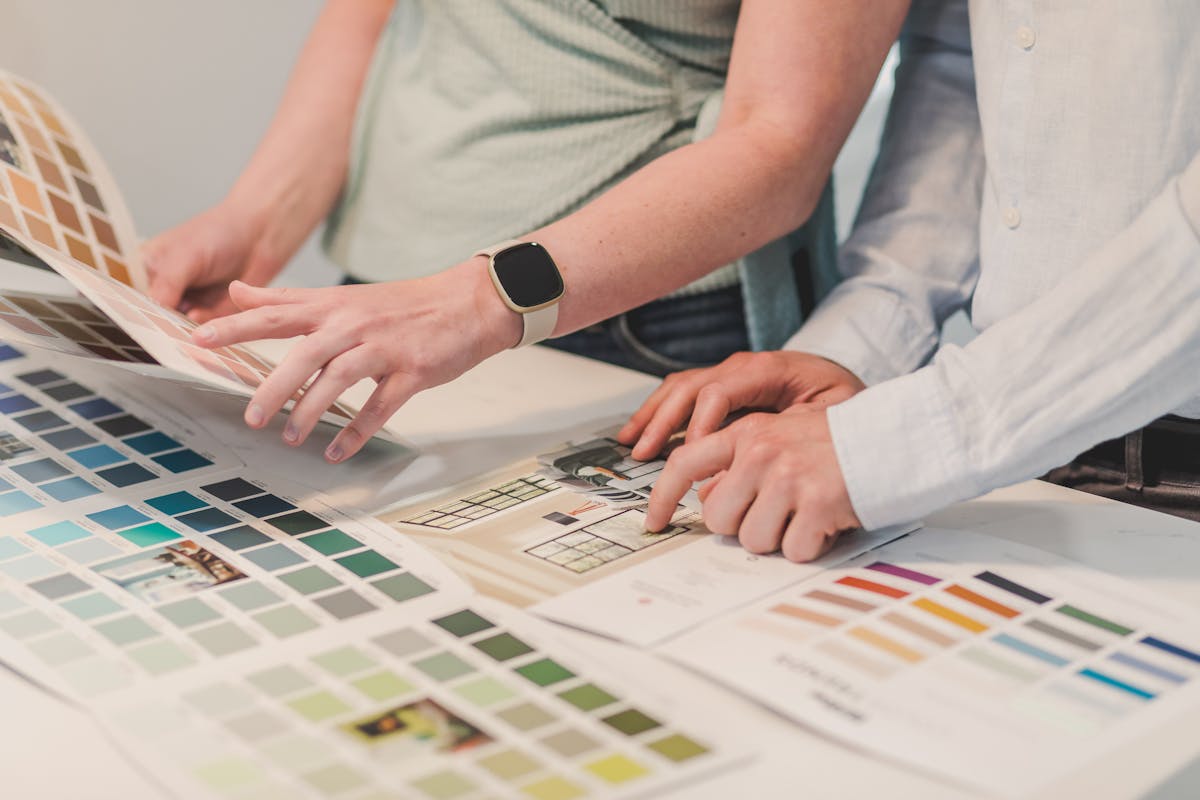
When planning a home exterior renovation, consider testing swatches at different times of day and under various lighting conditions. This approach ensures the colors look appealing year-round.
How to Choose the Right Colors for Your Home
Selecting the right modern home exterior colors requires balancing personal taste, neighborhood context, and architectural style. Start by examining your home’s existing features, including roof material, landscaping, and nearby homes.
- Consider the Style: Minimalist and contemporary homes often look best with monochromatic or subtle shades, while traditional homes can benefit from warmer tones.
- Test Samples: Apply small swatches to the exterior and observe them under different lighting to understand how they appear in natural light.
- Use Accents Wisely: Incorporate bold colors through doors, shutters, or trim rather than painting the entire facade.
Remember, your home’s exterior is a long-term investment. Colors that may be trendy today should also feel timeless enough to maintain appeal for years to come.
The Role of Texture and Materials in Color Choice
Color alone does not define a modern home exterior. Texture and materials—like wood, metal, stone, or stucco—interact with paint to create a dynamic look. Lighter colors can highlight intricate architectural details, while darker tones provide a sleek, modern feel.
Using contrasting textures can also make a single color pop. For example, pairing a matte grey paint with glossy black window frames or metal accents can elevate a simple design into something visually striking. Integrating natural elements like wood or stone with modern paint shades ensures your home remains stylish and grounded.
Conclusion
Choosing modern home exterior colors is more than a design decision—it’s a way to reflect your personality, enhance curb appeal, and add lasting value to your property. By exploring trending neutrals, bold statement shades, and complementary color combinations, homeowners can achieve a modern, timeless look. Careful consideration of materials, lighting, and accent features ensures that your home’s exterior will stand out beautifully for years to come.
A home exterior renovation offers the perfect opportunity to refresh your color palette, create a cohesive design, and elevate the overall aesthetic of your home.