
- Conduct a thorough inspection of your home’s exterior to identify structural and cosmetic issues before starting renovations.
- Set clear goals and a realistic budget to guide material choices, contractor selection, and project priorities.
- Address structural and safety repairs first, including roofing, foundation, and drainage, to prevent future damage.
- Use a comprehensive checklist covering roofing, siding, windows, doors, gutters, lighting, and outdoor spaces to ensure no detail is overlooked.
- Enhance curb appeal and energy efficiency through thoughtful design choices, insulation, and energy-saving upgrades.
- Hire a qualified contractor and maintain ongoing seasonal care to protect your investment and ensure long-lasting results.
- Plan outdoor living upgrades and landscaping strategically to increase functionality and overall property value.
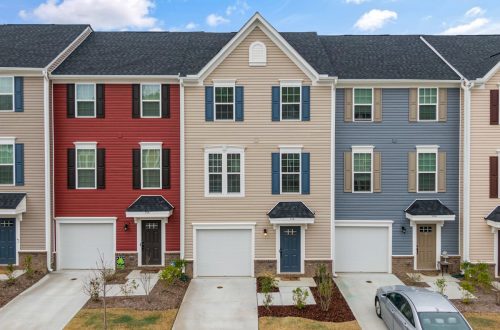
Your home’s exterior is the first thing people see, but it also serves as your property’s first line of defense against weather, pests, and structural wear. A well-planned renovation not only enhances curb appeal but also improves energy efficiency, durability, and long-term value. Without a clear roadmap, however, projects can quickly spiral into delays and budget overruns.
This ultimate guide walks you through every essential step so you can approach your exterior upgrade with confidence and clarity.
Why Plan Before You Renovate?
Jumping into an exterior upgrade without a structured plan can lead to costly mistakes and unnecessary stress. Careful preparation helps you identify priorities, allocate your budget wisely, and avoid surprises along the way. Whether you are refreshing outdated finishes or addressing structural concerns, thoughtful planning sets the foundation for a successful transformation. A comprehensive checklist ensures that no critical element is overlooked during the renovation process.
Exterior projects often involve multiple components working together, including roofing, siding, drainage, and landscaping. Overlooking one area can affect the performance of another, resulting in inefficiencies or repairs down the road. By outlining your goals and assessing the entire structure beforehand, you can create a cohesive strategy.
Planning also gives you time to research materials, compare contractor estimates, and secure necessary permits. With a roadmap in place, you reduce the risk of delays and make informed decisions at every stage.
Step 1: Evaluate Your Home’s Current Exterior Condition
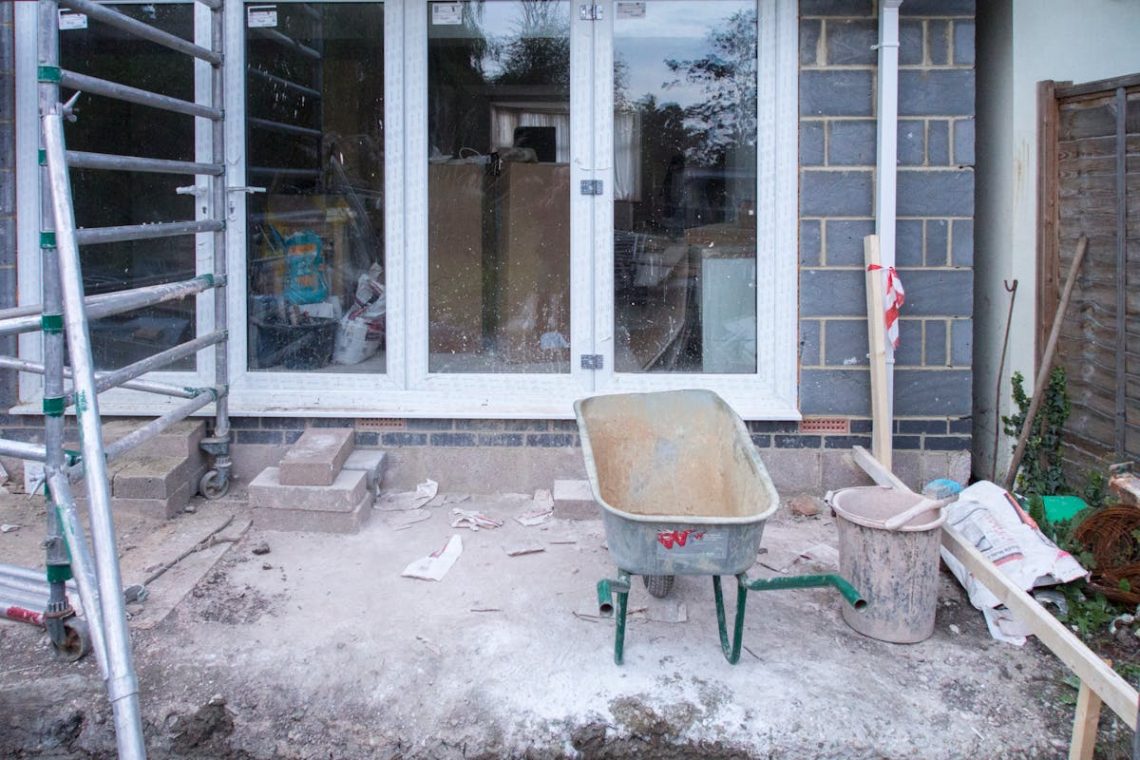
Before making any design decisions, start with a thorough inspection of your property’s exterior. This step helps you identify structural problems, safety hazards, and cosmetic concerns. Taking detailed notes and photos allows you to prioritize what needs immediate attention versus what can wait. A careful assessment prevents you from covering up underlying issues during renovations.
Walk around your home and look for visible damage. Pay close attention to signs of wear that may compromise the structure.
Areas to Inspect
- Roof shingles or tiles for cracks, curling, or missing sections
- Siding for warping, moisture damage, or mold
- Gutters and downspouts for blockages or leaks
- Windows and doors for drafts or damaged seals
- Foundation for cracks or uneven settling
If you are unsure about structural concerns, consider hiring a professional inspector. Identifying problems early can save thousands in future repairs.
Step 2: Define Your Renovation Goals
A successful project begins with clear objectives. Ask yourself what you want to achieve through your exterior renovation. Are you improving energy efficiency, increasing property value, or modernizing your home’s appearance? Defining your goals will shape your material choices, budget, and project timeline.
Different homeowners have different motivations. Some focus on aesthetics, while others prioritize durability and weather resistance.
Common Renovation Goals
- Boost curb appeal before selling
- Enhance insulation and lower energy bills
- Repair storm or age-related damage
- Modernize outdated architectural features
- Create functional outdoor living areas
Once your goals are clear, rank them in order of importance. This makes it easier to allocate funds and avoid overspending on less critical upgrades.
Step 3: Set a Realistic Budget

Budgeting is one of the most important stages of any renovation. Without a clear financial plan, costs can escalate quickly due to material upgrades, labor fees, and unexpected repairs. A realistic budget provides structure and helps you balance priorities with affordability. It also gives contractors a clear framework when preparing quotes.
Begin by researching average costs for major exterior improvements in your area. Prices vary based on materials, home size, and labor rates.
Budget Planning Tips
- Allocate 10–20% for unexpected expenses
- Compare at least three contractor estimates
- Decide where to invest versus where to save
- Consider financing options if needed
Tracking expenses throughout the project keeps you accountable. Avoid making impulsive upgrades that fall outside your established financial plan.
Step 4: Understand Permits and Local Regulations
Many homeowners overlook the legal aspects of exterior renovations. However, failing to secure proper permits can result in fines, delays, or complications when selling your property. Regulations vary depending on location and project scope, so it is essential to verify requirements before construction begins.
Projects such as roof replacements, structural modifications, and major exterior additions often require permits. Local building codes may also dictate material standards or safety measures.
What to Check
- Zoning restrictions
- Homeowners association guidelines
- Historic district requirements
- Environmental or drainage regulations
Consult your local building department or contractor to ensure compliance. Taking this step protects your investment and avoids future complications.
Step 5: Prioritize Structural and Safety Repairs
While cosmetic upgrades are exciting, structural integrity should always come first. Addressing foundational or roofing issues ensures your renovation is built on a stable base. Ignoring these problems can lead to more expensive repairs in the future. A strong structure protects both your investment and your family’s safety.
Focus on areas that directly impact durability and performance.
Key Structural Priorities
- Roof replacement or repair
- Foundation crack sealing
- Drainage and grading improvements
- Repairing damaged siding
- Reinforcing decks and railings
Completing structural repairs first prevents newly installed finishes from being damaged later.
Step 6: The Core Home Exterior Renovation Checklist
This comprehensive home exterior renovation checklist brings together all essential elements homeowners should consider. By reviewing each component systematically, you ensure a cohesive and durable outcome. Exterior upgrades often work best when addressed holistically rather than individually. Overlooking one system can compromise the effectiveness of another.
Use this checklist as a reference throughout your renovation process.
Roofing
- Replace damaged shingles or tiles
- Upgrade to energy-efficient roofing materials
- Inspect flashing and ventilation
Siding
- Choose durable, weather-resistant materials
- Repair or replace damaged panels
- Improve insulation beneath siding
Windows and Doors
- Install energy-efficient models
- Seal gaps and improve weatherproofing
- Upgrade for enhanced security
Gutters and Drainage
- Clean and repair existing systems
- Ensure proper water flow away from the foundation
- Install gutter guards if necessary
Exterior Lighting
- Add pathway and security lighting
- Use LED fixtures for efficiency
- Highlight architectural features
Step 7: Enhance Curb Appeal with Smart Design Choices
Beyond structural improvements, design plays a major role in your home’s overall impact. Strategic aesthetic upgrades can dramatically transform your property’s appearance. From paint color to landscaping, thoughtful design enhances harmony and visual appeal. Even small updates can create a polished and inviting exterior.
Start by choosing a cohesive color palette that complements your home’s architecture. Neutral tones often provide timeless appeal, while bold accents add personality.
Design Improvements to Consider
- Fresh exterior paint
- Updated front door
- Modern house numbers and hardware
- Decorative shutters or trim
- Landscaping upgrades
Balancing aesthetics with durability ensures your improvements look good and last for years.
Step 8: Upgrade Outdoor Living Spaces
Outdoor living areas extend your usable space and increase property value. Patios, decks, and covered porches create functional zones for relaxation and entertainment. As homeowners spend more time outdoors, these features have become increasingly desirable. Renovating these areas can dramatically enhance comfort and enjoyment.
When planning outdoor upgrades, prioritize durability and weather resistance.
Outdoor Space Ideas
- Composite decking for low maintenance
- Pergolas or shade structures
- Outdoor kitchens or grilling stations
- Fire pits or seating walls
- Durable patio pavers
Well-designed outdoor spaces blend seamlessly with your home’s architecture.
Step 9: Improve Energy Efficiency
Energy-efficient exterior upgrades lower utility costs and improve indoor comfort. Insulated siding, energy-efficient windows, and reflective roofing materials reduce heat transfer. These improvements can significantly decrease heating and cooling expenses. Over time, the savings offset the initial investment.
Focus on sealing gaps and improving insulation first.
Energy-Saving Upgrades
- Double- or triple-pane windows
- Insulated exterior doors
- Cool roofing materials
- Solar panels
- Weatherstripping and caulking
Energy efficiency benefits both your wallet and the environment.
Step 10: Choose the Right Contractor
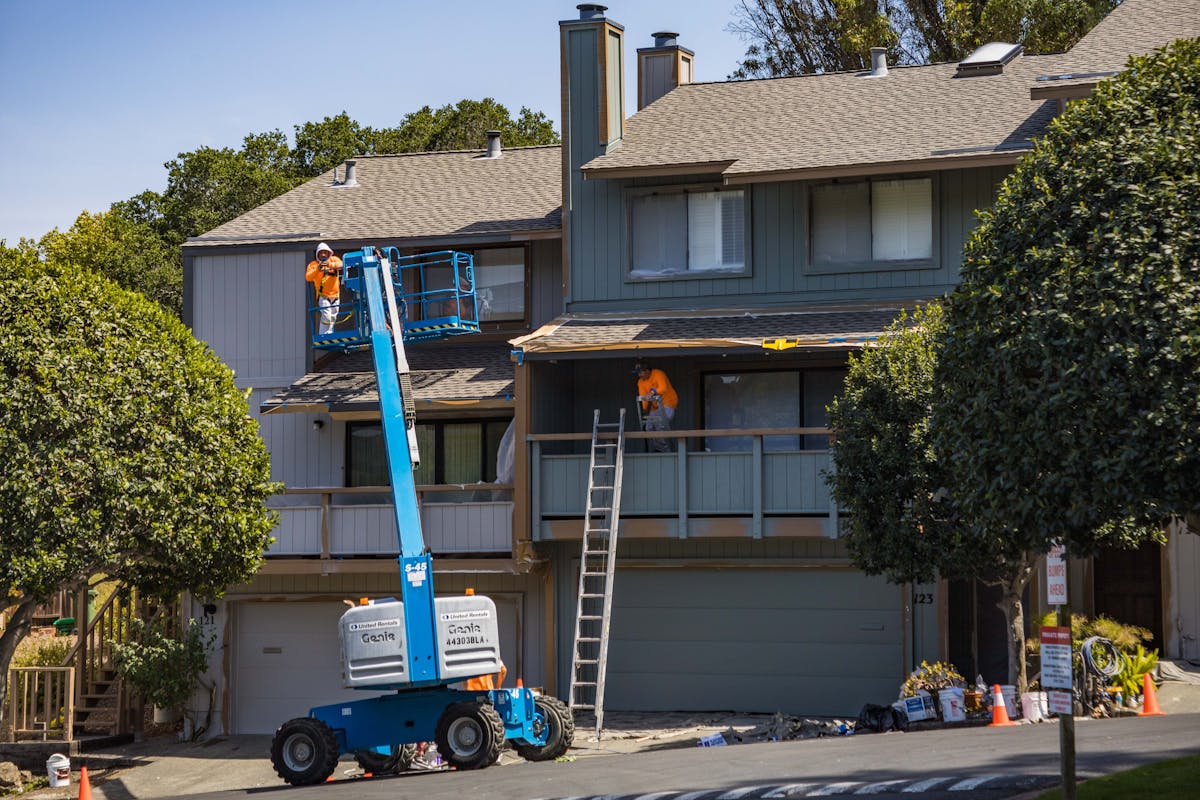
Selecting a qualified contractor is critical to achieving high-quality results. Experienced professionals bring technical knowledge, proper licensing, and project management skills. Taking time to vet contractors reduces the risk of delays or subpar workmanship. Clear communication ensures your vision is accurately executed.
Ask for references and review previous projects.
Contractor Selection Tips
- Verify licenses and insurance
- Request written contracts
- Confirm timeline and payment schedule
- Check online reviews
A reputable contractor becomes a partner in your renovation journey.
Step 11: Plan for Ongoing Maintenance
Renovation does not end when construction is complete. Regular maintenance preserves the integrity and appearance of your exterior improvements. Seasonal inspections help you catch small issues before they become costly repairs. Protecting your investment requires consistent upkeep.
Create a simple maintenance schedule to stay organized.
Maintenance Checklist
- Clean gutters twice a year
- Inspect roofing annually
- Repaint trim as needed
- Power wash siding periodically
- Check seals around windows and doors
Proactive care extends the lifespan of your upgrades.
Conclusion: Transforming Your Home with Confidence
A well-executed exterior renovation enhances more than appearance—it strengthens structural integrity, improves energy efficiency, and increases property value. By following a detailed checklist, homeowners can approach their projects with clarity and purpose. Careful planning, budgeting, and prioritization ensure lasting results.
Whether you are tackling minor upgrades or a full transformation, this ultimate home exterior renovation checklist provides the guidance needed to succeed. With preparation and informed decision-making, your home can achieve both beauty and durability for years to come.